

Artfully uniting extraordinary properties with extraordinary lives

Home Energy Efficiency Improvements That Complement Solar Power
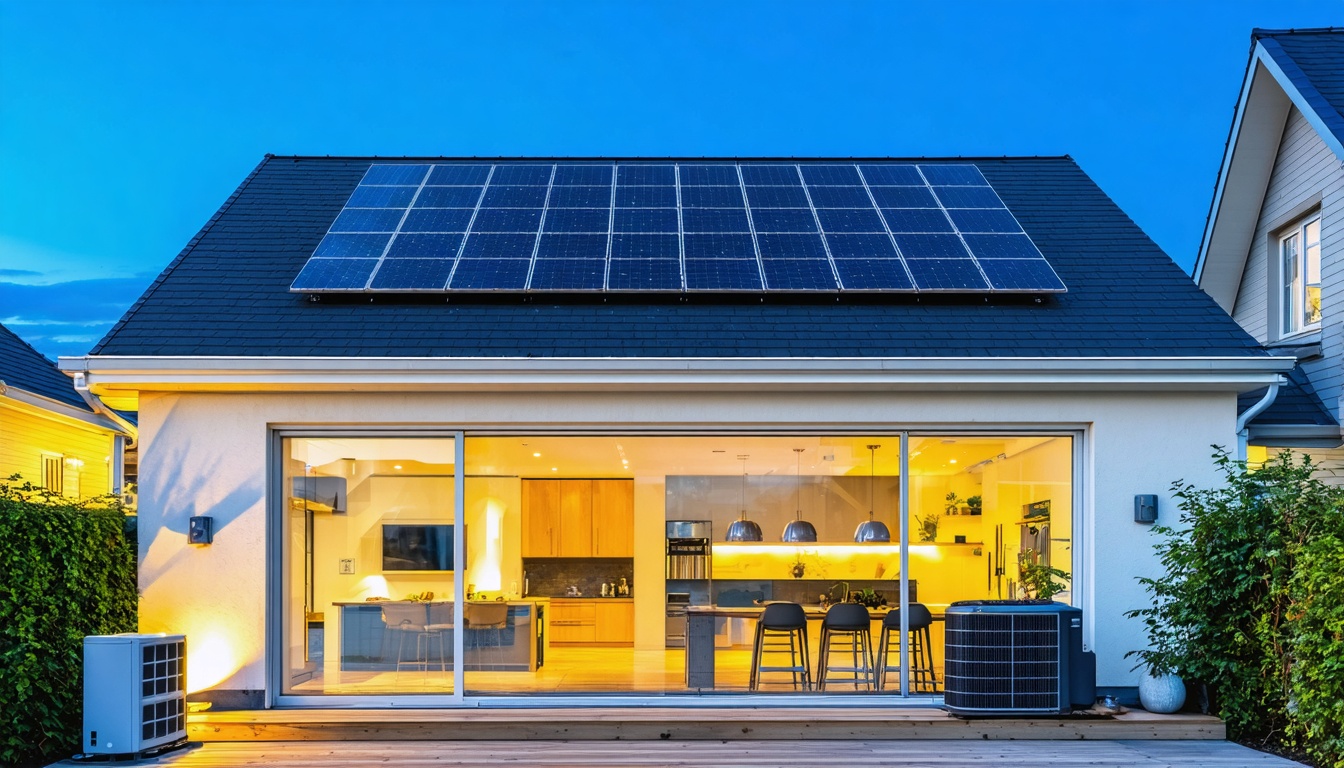
To maximize the benefits of a solar power system, it is important to prioritize home energy efficiency. Key areas to consider include improving insulation, sealing air leaks, and upgrading to energy-efficient appliances. These measures can lead to a reduction in energy consumption, resulting in lower utility bills and an enhanced comfort level within the home. Improving insulation helps maintain a consistent indoor temperature, reducing the need for heating and cooling systems to operate as frequently. Sealing leaks around doors and windows also prevents conditioned air from escaping, thereby minimizing energy waste. Upgrading to energy-efficient appliances can lead to significant energy savings, as these appliances are designed to consume less energy than standard models. Moreover, understanding the interplay between energy efficiency upgrades and solar investment is crucial for maximizing savings and promoting sustainability. Efficient energy use means that less power is needed from the solar system, which can reduce the size and cost of the required solar installation. Overall, a comprehensive approach to energy efficiency can enhance the performance of solar power systems and contribute to long-term financial benefits.
The Value of Energy Efficient Upgrades
Homeowners considering the adoption of solar power should evaluate the practical benefits of implementing energy-efficient upgrades, and may want to consult with Solar Energy Companies in Providence, RI for local expertise and services. These enhancements can lead to reduced utility bills and improved overall home performance.
Integrating programs like NYSERDA’s Comfort Home with technologies such as heat pump water heaters, energy-efficient doors and windows, and effective sealing and insulation can significantly lower a home's energy demand.
Additionally, homeowners may explore options for further energy efficiency, including the use of induction cooktops, advanced lighting solutions, and modern heating and cooling systems—such as air source and geothermal heat pumps. Each of these upgrades can improve the effectiveness of solar energy systems, potentially increasing their output and benefits.
NYSERDA offers a range of resources, including funding opportunities, analytical reports, and expert advice, that can assist in implementing these upgrades across various property types, including residential condominiums and commercial buildings.
These improvements not only aim to decrease energy consumption but may also enhance indoor air quality, increase property values, and make properties eligible for relevant tax credits.
Overall, assessing energy-efficient upgrades is a prudent strategy for homeowners wishing to maximize their solar investments and enhance the sustainability of their homes.
Air Sealing and Insulation Strategies
Even with the installation of solar panels, significant energy loss can occur due to gaps and areas of inadequate insulation in residential properties. To improve the efficiency of solar energy systems, implementing effective air sealing and insulation strategies is important.
Such measures can help maintain a stable indoor temperature by retaining heat in winter and keeping it out during summer, ultimately contributing to energy savings.
The New York State Energy Research and Development Authority (NYSERDA) offers programs, including Comfort Home, which provide funding and expert guidance for energy improvements. These resources are accessible to various types of housing, such as single-family homes, condos, and multifamily buildings.
For underserved communities, programs like EmPower+ provide free or low-cost energy assessments, helping residents identify potential improvements.
Practical measures, including the application of weatherstripping and caulking, can significantly reduce energy loss. Enhancing air sealing and insulation can improve the efficiency of heating and cooling systems.
This approach supports initiatives aimed at promoting Climate Justice and improving Indoor Air Quality, while also contributing to the long-term sustainability and performance of buildings in terms of energy use.
Optimizing Door and Window Performance
Optimizing the performance of doors and windows is a key factor in improving a home’s energy efficiency, particularly when integrated with solar energy systems. The installation of energy-efficient doors and windows, especially those with low-emissivity (low-E) coatings, can enhance indoor air quality and help reduce heating and cooling costs.
Programs such as those offered by the New York State Energy Research and Development Authority (NYSERDA) provide funding opportunities and expert guidance for implementing these upgrades across various housing types, including condominiums and multifamily dwellings.
To effectively evaluate product efficiency, it is advisable to utilize National Fenestration Rating Council (NFRC) ratings. These ratings can assist homeowners in selecting doors and windows that are appropriate for enhancing the performance of solar-equipped residences.
Furthermore, the addition of storm doors, alongside proper air sealing and insulation measures, can contribute positively to overall building efficiency.
Implementing these strategies aligns with New York State's Clean Energy initiative and provides a practical approach to enhancing energy performance in residential properties. These measures can lead to more effective energy investments while addressing energy consumption concerns.
Enhancing Water Heating Efficiency
The efficiency of residential water heating systems plays a crucial role in determining both energy expenses and overall environmental impact. Upgrading from an outdated water heater to an Energy Star® heat pump water heater can lead to annual savings estimated between $200 and $550, while also contributing to reduced greenhouse gas emissions.
Various initiatives, including programs offered by the New York State Energy Research and Development Authority (NYSERDA), such as NYS Clean Heat rebates and state policy measures, aim to encourage the adoption of energy-efficient technologies. These initiatives provide financial support, training, and practical recommendations, particularly aimed at households in condominiums and underserved areas.
Additionally, the combination of heat pump water heaters with solar energy systems and the electrification of building infrastructure can improve indoor air quality. This integration represents a more sustainable approach to heating and cooling residential spaces.
Evidence suggests that the adoption of these technologies is associated with enhanced energy efficiency and better air quality. This reflects a methodical approach to addressing economic and environmental challenges in the context of residential water heating.
Kitchen Appliance and Cooking Solutions
The kitchen is a significant area for energy consumption, and various approaches exist to enhance its efficiency. Upgrading to Energy Star® appliances and utilizing induction cooking are two effective methods that can contribute to a reduction in energy usage in homes, particularly when integrated with solar energy systems.
Additionally, programs available through the New York State Energy Research and Development Authority (NYSERDA), as well as New York State Clean Heat rebates and multiple tax credit options, support the implementation of heat pump water heaters. These systems offer potential long-term cost savings and improved energy efficiency.
The use of energy-efficient dishwashers, combined with the adoption of air source or ground source heat pumps, is also recommended. Such measures, along with air sealing improvements, can optimize thermal performance in the kitchen.
Experts advocate for the electrification of heating systems, as this transition can improve indoor air quality.
Community programs can provide valuable resources for identifying further strategies for energy efficiency, particularly in underserved communities and condominium complexes. Accessing data and reports from organizations focused on community improvement is beneficial for making informed decisions regarding energy efficiency enhancements in culinary environments.
Bathroom Upgrades for Water Conservation
Upgrading bathroom fixtures to enhance water efficiency can effectively reduce water consumption and associated energy costs. Installing WaterSense-labeled faucets and showerheads serves as a viable method for improving home efficiency while aligning with programs endorsed by organizations such as NYSERDA, which seek to enhance community resources.
The implementation of low-flow toilets and intelligent fixtures often leads to noticeable decreases in utility expenses, as these systems are engineered to lower water usage without sacrificing functionality.
Furthermore, integrating air sealing and insulation during bathroom renovations can help mitigate heat loss and contribute to improved energy efficiency.
For those interested in further improvements, seeking advice from industry professionals can provide essential insights and recommendations.
Additionally, reviewing analyses and reports from NYS Clean Buildings may offer practical ideas for enhancements.
The application of these strategies not only aids in the sustainability of condominiums and underserved communities but also aligns with state policies that support climate justice initiatives.
Clean Heating and Cooling Options
Adopting clean heating and cooling technologies can improve the energy efficiency of residential buildings and lead to cost savings on energy expenditures. Air source and ground source heat pumps are recognized for their high efficiency, frequently delivering heating and cooling outputs that are three times greater than those of conventional systems.
Financial assistance programs, such as those provided by NYSERDA, offer funding and tax credit options to help mitigate the initial investment costs associated with heat pump water heaters, making these technologies more financially viable for homeowners.
Furthermore, enhancing a home's sealing and insulation is critical for maximizing energy efficiency. The installation of energy-efficient doors and windows also significantly contributes to better indoor air quality and stable indoor temperatures.
Specific solutions designed for condominiums, multifamily housing, and underserved communities exist to address their unique energy consumption patterns, reinforcing the compatibility of clean heating initiatives with overarching goals for solar energy development.
In summary, transitioning to clean heating and cooling systems represents a logical strategy for improving energy efficiency and supporting sustainability in residential environments.
Integrating Smart Home Technologies
Integrating smart home technologies into energy management systems can facilitate better oversight and operational performance of solar power installations.
Smart thermostats and lighting solutions contribute to enhanced heating and cooling efficiencies, which can improve overall indoor air quality. By closely monitoring energy consumption, homeowners can engage in accurate benchmarking and operational management practices for their systems.
Automation features allow for the scheduling of appliances, such as heat pump water heaters and geothermal systems, to function during periods of peak solar energy generation. This scheduling practice can improve the overall efficiency of the solar energy system.
These developments are in line with initiatives supported by NYSERDA programs, which seek to identify practical solutions tailored to different building types, including residential properties, condominiums, mixed-use developments, and areas that lack adequate resources.
Moreover, the incorporation of efficient smart devices can enhance energy performance in areas such as air sealing and lighting. Implementing these technologies may not only lead to reduced energy expenses but also support broader objectives related to sustainability and climate equity.
Renewable Energy Incentives and Programs
Taking advantage of available renewable energy incentives and programs can lead to notable cost reductions on solar power installations. Numerous options are currently offered, including the federal solar tax credit, which allows a percentage of installation costs to be deducted from federal taxes.
The New York State Energy Research and Development Authority (NYSERDA) provides funding opportunities, while the New York State Clean Heat program offers rebates for heat pumps, including air source, ground source systems, and geothermal heating solutions.
Community solar initiatives are designed to facilitate the participation of condominium residents and underserved communities in efficient energy development. Additionally, financing options are available to improve the affordability of these installations, as well as benchmarking solutions that assist in assessing and comparing energy performance.
Improvements in heating and cooling technologies are significant, as they contribute to enhanced energy efficiency. Resources are accessible for expert advice on various topics, such as induction cooking, air sealing, and energy-efficient lighting.
Overall, these programs and resources provide a structured approach for improving energy efficiency in both residential and commercial buildings.
Environmental and Financial Impacts
Solar panels are effective in generating clean electricity, but their performance and overall advantages can be enhanced when integrated with energy-efficient upgrades. Improvements such as enhanced insulation or air sealing can lead to annual energy savings between $200 and $550.
These savings are particularly pronounced when technologies like air source or geothermal heat pumps are utilized alongside solar energy systems.
Programs such as those offered by the New York State Energy Research and Development Authority (NYSERDA) provide financial incentives and guidance for implementing these upgrades.
Measures like air sealing, the replacement of standard doors and windows with energy-efficient options, and the transition to induction cooking not only result in energy cost reductions but also contribute positively to indoor air quality.
In addition to financial savings, these energy-efficient measures can lower greenhouse gas emissions, which is beneficial in the context of climate change.
Enhancing energy efficiency can also potentially increase property value and advance climate equity, particularly for communities that experience environmental challenges.
Property owners are encouraged to assess available options while considering their buildings' specific attributes and needs.
Conclusion
Investing in energy efficiency upgrades can enhance the effectiveness of a solar power system. Improvements such as air sealing, modern insulation, and the installation of high-efficiency appliances are known to decrease overall energy consumption. These upgrades can lead to increased comfort within the home and can contribute to significant cost savings on utility bills. Moreover, implementing these modifications can help homeowners make the most of their solar energy resources, thereby reducing both their reliance on conventional energy sources and their carbon footprint. An optimized home environment that includes both solar power and energy efficiency measures can lead to a more sustainable and cost-effective energy solution. Homeowners should consider these improvements as part of their strategy for maximizing the returns on their investment in solar energy.